
 Post by
If you’ve started pricing out a new deck for your Denver metro or foothills home, you’ve probably noticed the numbers vary wildly depending on who you ask. Deck cost in Colorado typically runs anywhere from $5,000 to $25,000 for most residential projects, with custom composite builds and engineered structures on steep mountain lots climbing well beyond that. The spread comes down to a handful of variables – decking material, footings, elevation, square footage, railings, and local permit requirements – that we’ll break down in detail so you can budget accurately instead of guessing. This guide walks through real price ranges, what drives them up or down, and what to expect at every stage of a deck build in Colorado’s unique climate and terrain.
Ready to Start Your Project?
What Is the Average Deck Cost in Colorado Right Now?
Most Colorado homeowners spend between $5,000 and $25,000 on a new deck, with the final number depending heavily on size, material, and site conditions like slope and elevation. A simple 200-square-foot pressure-treated deck on a flat lot in Aurora or Thornton sits at the low end, while a multi-level composite deck with built-in railings and stairs on a sloped foothills lot near Golden or Evergreen pushes toward the higher end of that range.
Pricing in Colorado tends to run 10-15% above the national average for comparable decks, largely because of labor costs along the Front Range and the extra structural work required for frost depth and wind load in higher-elevation areas. Denver’s building code requires footings to extend below the frost line, which in most metro jurisdictions means digging to at least 36 inches – deeper than many homeowners expect when they first get a quote. That single requirement alone can add $1,000-$3,000 to a project compared to a region with shallower frost depth.
How Does Deck Cost Per Square Foot Break Down in Colorado?
Deck cost per square foot in Colorado generally ranges from $25 to $60 for pressure-treated lumber decks and $45 to $90 for composite or engineered builds. A 300-square-foot deck, a common size for a mid-sized single-family home in Highlands Ranch or Centennial, would land somewhere between $9,000 and $27,000 depending entirely on material choice and structural complexity.
Square footage isn’t the only multiplier that matters – shape plays a role too. A simple rectangular deck costs less per square foot than one with curves, multiple levels, or wraparound sections, since each transition requires additional framing, footings, and cutting. Homeowners in mountain communities like Breckenridge or Vail often see higher per-square-foot numbers because contractors factor in site access difficulties, snow load requirements, and the extra time needed to haul materials up steep driveways.
What Decking Materials Affect Deck Cost in Colorado the Most?
Decking material is usually the single biggest driver of deck cost in Colorado, with pressure-treated wood on the low end and premium composite or tropical hardwoods on the high end. A basic pressure-treated pine deck might cost $25-$35 per square foot installed, while a high-end composite deck from a brand like Trex or TimberTech can run $45-$75 per square foot once you include hidden fasteners and color-matched trim.
Composite deck cost in Colorado has become a bigger part of the conversation over the past several years as more homeowners prioritize low maintenance over upfront savings. Composite boards resist the intense UV exposure common at higher elevations – Denver sees roughly 300 days of sunshine annually, and that constant exposure fades and dries out untreated wood faster than in lower-sun climates. Composite material typically carries a 25-to-50-year warranty against fading and staining, compared to a 10-to-15-year realistic lifespan for a stained wood deck that needs refinishing every 2-3 years.
Is Composite Deck Cost in Colorado Worth the Higher Price Tag?
Composite decking generally costs 40-60% more upfront than pressure-treated wood, but it eliminates the recurring $300-$800 cost of annual staining and sealing that wood decks require. Over a 15-year ownership period, the total cost of ownership often evens out or favors composite, especially for homeowners who don’t want the maintenance obligation.
Wood still has its place, particularly for homeowners planning to sell within 5-7 years or those working with a tighter budget who want the option to upgrade later. Cedar and redwood sit in a middle tier, costing more than pressure-treated pine but less than composite, and they offer a natural appearance that some buyers in neighborhoods like Lakewood or Westminster specifically request. For a full breakdown of material options and project scope, PrimeStone’s deck and patio design-build services page outlines how material selection ties into overall project planning.
How Do Footings, Elevation, and Stairs Change Deck Cost in Colorado?
Footings, elevation changes, and stairs can add $3,000-$10,000 or more to a Colorado deck project, since sloped lots and frost-depth code requirements demand deeper, more numerous support structures. A deck built just a few feet off the ground on level terrain needs far less engineering than one built on a walkout basement grade or a foothills lot with a 15-20% slope.
Elevation affects more than just the view – it changes the entire structural approach. Decks more than 30 inches above grade in most Colorado jurisdictions require guardrails per the International Residential Code, and decks built on steep lots often need additional beams, deeper footings, or even engineered pier systems to meet local snow load requirements, which can exceed 30-40 pounds per square foot in foothills and mountain towns. This is where working with a structural engineer-owned firm matters: PrimeStone evaluates soil conditions, frost depth, and load requirements before finalizing a quote rather than estimating generically.
What Do Stairs and Railings Typically Add to Deck Cost in Colorado?
Stairs typically add $150-$300 per step including railings, while a full railing system can run $30-$80 per linear foot depending on material. A deck requiring a 5-step staircase down to a yard in a sloped neighborhood like those common in Golden or Castle Rock might add $1,500-$3,000 just for that component.
Railing material choices vary widely in price and maintenance. Here’s a quick breakdown of common railing options homeowners choose across the Denver metro and foothills:
- Pressure-treated wood railings: $25-$40 per linear foot, lowest upfront cost but requires repainting or staining every 2-3 years
- Composite railings: $40-$65 per linear foot, matches composite decking and needs minimal upkeep
- Aluminum or metal cable railings: $55-$90 per linear foot, popular for mountain homes wanting unobstructed views
- Glass panel railings: $80-$150 per linear foot, highest cost but increasingly requested on luxury builds in Vail and Aspen-adjacent communities
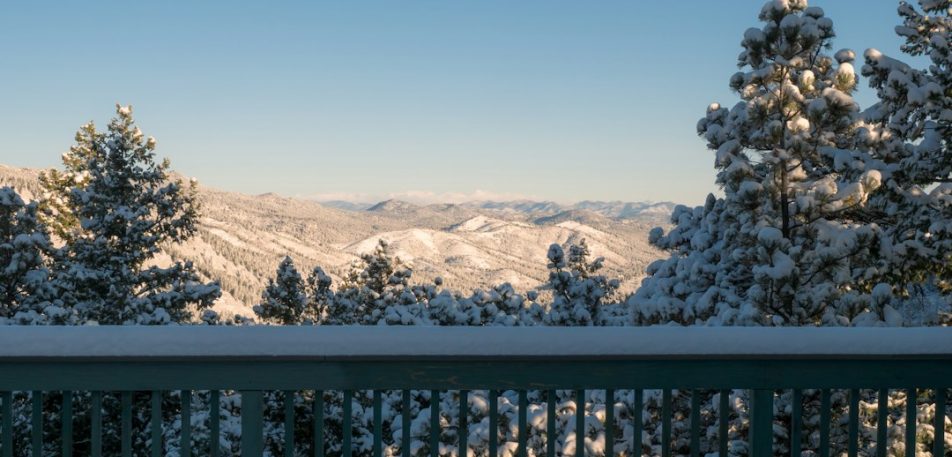
Cable and glass railings have grown more popular specifically because they preserve mountain views, a priority for homeowners in elevated communities where the whole point of the deck is the scenery. Those systems also hold up well against wind loads common at higher elevations, which is a practical consideration beyond aesthetics.
How Much Does an Engineered or Custom Deck Cost in Colorado?
Engineered decks in Colorado typically cost $15,000 to $40,000 or more, while fully custom composite builds with multiple levels, built-in seating, or pergolas often land between $25,000 and $50,000-plus. These projects usually involve structural engineering review, especially when attached to a home with an existing foundation that needs load calculations before ledger board attachment.
Custom builds in this price range often include features like built-in lighting, outdoor kitchens, or multi-level transitions connecting to a walkout basement. Homeowners considering a larger addition to their outdoor living space sometimes also explore how a deck project fits into broader renovation plans – if you’re weighing a deck against other upgrades, PrimeStone’s guide on which home renovations add the most value is a useful companion resource for prioritizing budget.
How Does a Basic Patio Compare to Deck Cost in Colorado?
A basic concrete or paver patio typically costs $2,500 to $7,500 or more, significantly less than most elevated decks, because it skips footings, framing, and railings entirely. Patios make sense on flat lots where elevation isn’t a factor, but they don’t work on sloped terrain or walkout-level grades where a deck is structurally necessary.
The decision between a patio and a deck often comes down to the lot itself rather than preference alone. A flat backyard in Thornton or Aurora might support either option, while a home built into a hillside in Golden frequently has no choice but to build a deck to create usable outdoor space. The table below summarizes typical cost ranges across the main outdoor living options:
| Project Type | Typical Cost Range | Best Suited For |
|---|---|---|
| Basic patio (concrete/paver) | $2,500 – $7,500+ | Flat lots, smaller budgets |
| Standard wood or composite deck | $5,000 – $25,000 | Most single-family homes |
| Engineered deck | $15,000 – $40,000+ | Sloped lots, high elevation, walkouts |
| Custom composite deck | $25,000 – $50,000+ | Multi-level builds, luxury features |
Do Permits Affect Deck Cost in Colorado, and What Should You Budget?
Most Colorado jurisdictions require a building permit for any deck attached to a house or elevated more than 30 inches, with permit fees typically ranging from $150 to $600 depending on the county or city. Denver, Jefferson County, and Douglas County each have slightly different fee schedules and inspection timelines, so it’s worth checking with the local building department before finalizing a budget.
Skipping a required permit isn’t just a legal risk – it can also complicate a home sale later, since unpermitted structures often get flagged during buyer inspections. Permit review in the Denver metro area typically takes 1-3 weeks for a straightforward deck, though mountain jurisdictions with HOA architectural review boards, common in communities around Vail and Castle Rock, can add another 2-4 weeks to the timeline. HOA guidelines often dictate specific railing styles, decking colors, or maximum elevation heights, so it’s worth reviewing those covenants early rather than after materials are ordered.
How Do Local Permit Offices Handle Deck Cost in Colorado Projects?
Permit offices across the Denver metro generally require a site plan, structural details on footings and ledger attachment, and sometimes a soils report for sloped lots before issuing a deck permit. Jefferson County, for example, has specific snow load requirements that differ from Denver proper, which can change footing depth and beam sizing on paper even before construction begins.
Because permit requirements vary by elevation and jurisdiction, a design-build firm that understands local code tends to save homeowners both time and rework. PrimeStone’s structural engineering background comes into play here directly, since footing and framing calculations get handled in-house rather than outsourced, which keeps the permit review process from stalling. Homeowners in Castle Rock can review project specifics through PrimeStone’s Castle Rock deck and patio services page, while those near the foothills can find relevant local details on the Golden deck and patio services page.
What Have I Learned Managing Deck Cost Colorado Projects?
After walking dozens of homeowners through deck quotes across the Front Range, the single biggest surprise for most clients isn’t the material cost – it’s the footing and excavation line item. I’ve had homeowners budget $12,000 for a composite deck based on online calculators, only to find that their sloped lot in Evergreen required four additional footings dug to 42 inches because of rocky soil conditions, adding nearly $4,000 to the quote before a single board was installed.
I’ve also noticed a pattern with composite material specifically: clients who initially balk at the higher per-square-foot price almost always come back during the consultation asking about it again once they calculate what 10 years of staining a wood deck would cost. On a 300-square-foot deck, that’s potentially $3,000-$6,000 in maintenance over a decade, which closes the price gap faster than most people expect. My practical advice is always the same – get the site evaluated for soil and slope before locking in a number, because the framing and footing work, not the decking boards themselves, is where Colorado-specific costs most often diverge from a generic online estimate.
How Should You Budget and Finance a Deck Cost in Colorado Project?
Most homeowners finance a deck project through a combination of cash savings, a home equity line of credit, or a personal loan, with HELOCs being the most common choice for projects over $15,000. Interest rates and terms vary by lender, so comparing a few options before committing to a payment structure typically saves money over the life of the loan.
For homeowners planning a deck alongside other renovations, bundling the financing can sometimes result in better loan terms than financing each project separately. PrimeStone’s guide to home remodeling loan options breaks down the differences between HELOCs, personal loans, and cash-out refinancing in more detail, which is worth reviewing before committing to a specific lender.
What Hidden Costs Should You Expect Beyond Base Deck Cost in Colorado Estimates?
Beyond the base construction cost, homeowners should budget an additional 10-15% for hidden costs like permit fees, soil testing, debris removal, and potential rock excavation common in foothills terrain. A $20,000 deck quote can realistically land closer to $22,000-$23,000 once these line items are factored in.
Other commonly overlooked costs include landscaping repair around the footing excavation sites, electrical work if lighting or outlets are being added, and ledger board flashing upgrades on older homes where the existing siding wasn’t built to current moisture-barrier standards. Homes built before the early 2000s in neighborhoods throughout Denver and Aurora often need this flashing upgrade, which typically adds $300-$800 to the project but prevents water damage to the house’s rim joist down the line.
Let’s Talk About Your Project
Get a Free Consultation → 720-468-0686or email info@primestonecg.com
FAQ
What is the cost to build a deck in Colorado for a typical single-family home?
The cost to build a deck for a typical single-family home in Colorado generally falls between $9,000 and $20,000 for a 250-to-350-square-foot deck using mid-range composite or pressure-treated material, including footings, railings, and permit fees.
How much more does composite deck cost compared to wood in Colorado?
Composite decking typically costs 40-60% more than pressure-treated wood on a per-square-foot basis, but it requires little to no annual maintenance, which often narrows the total cost difference over a 10-to-15-year period.
Does elevation really change deck cost that much in Colorado?
Yes – decks on sloped or high-elevation lots can cost 20-40% more than comparable decks on flat ground, primarily due to deeper footings, additional structural beams, and higher snow load requirements in mountain and foothills jurisdictions.
Do I need a permit for a small deck in Colorado?
Most Colorado jurisdictions require a permit for any deck attached to the home or elevated more than 30 inches above grade, though some free-standing, ground-level decks under a certain square footage may be exempt depending on the local building department.
How long does it take to build a deck in Colorado from permit to completion?
A standard deck project typically takes 1-3 weeks for permit approval and another 1-3 weeks for construction, meaning most homeowners can expect a total timeline of 4-8 weeks from initial design to a finished deck, longer if HOA architectural review is required.
Sources: National Association of Home Builders and International Code Council
Explore Our Services